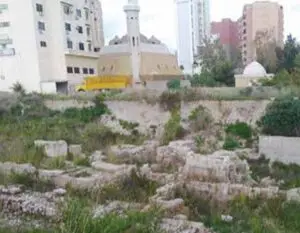
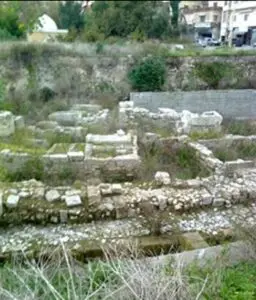
Situated at the Bab Al Fawqa (Upper
Gate) on Riyad Al Solh Street and in close proximity to the Maronite Church,
further archaeological findings have been recorded—some dating back to the
third millennium BCE. Among them is a storeroom chamber distinguished by its
mosaic flooring, as well as remnants of a Roman-era bathhouse.
The Archaeological Landscape of Al
Dekerman: Burial Grounds and Ancient Settlements Within the archaeological
precincts of Al Dekerman, in the vicinity of the First Industrial City of
Sidon, lies the oldest known necropolis of the region. This site was continuously
inhabited by the people of Sidon from as early as the 14th century BCE.
Archaeologists
have uncovered tombs dating back to the Late Bronze Age (1500–1200 BCE), a time
when the dead were customarily buried directly in the earth. Alongside the
deceased were placed essential items intended for the afterlife, in accordance
with the prevailing belief in resurrection and continued existence beyond
death. These burial accompaniments included finely crafted pottery inspired by
Greek aesthetics and vessels characteristic of the Mycenaean civilization—an
ancient Greek culture rooted in the Bronze Age.
Situé près de
Bab Al Fawqa (la Porte Supérieure) sur la rue Riyad Al Solh, et à proximité de
l’église maronite, d’autres découvertes archéologiques ont été enregistrées —
certaines remontant au troisième millénaire avant notre ère. Parmi elles, une
chambre de stockage remarquable par son sol en mosaïque, ainsi que les vestiges
d’un bain datant de l’époque romaine.
Dans l’enceinte archéologique d’Al Dekerman, à proximité de la Première Ville Industrielle de Sidon, se trouve la nécropole la plus ancienne connue de la région. Ce site fut habité en continu par les habitants de Sidon dès le XIVe siècle avant notre ère.
Les
archéologues y ont mis au jour des tombes datant de l’Âge du Bronze récent
(1500–1200 avant J.-C.), époque où les morts étaient généralement inhumés
directement dans la terre. Aux côtés des défunts, étaient déposés des objets
essentiels destinés à l’au-delà, conformément à la croyance dominante en la
résurrection et la vie après la mort. Ces accompagnements funéraires
comprenaient de la poterie finement travaillée, inspirée de l’esthétique
grecque, ainsi que des vases caractéristiques de la civilisation mycénienne —
une culture grecque ancienne enracinée à l’Âge du Bronze.
في البوابة الفوقا في شارع
رياض الصلح وقرب كنيسة الموارنة، تم
العثورعلى آثار تعود إلى الألف الثالث قبل الميلاد ، منها غرفة مخزن أرضها من
الموزاييك ، وبقايا حمام روماني .
في حي الدكرمان الأثري، وفي محيط
المدينة الصناعية الأولى عثرعلى أقدم مقبرة ، وهذا الموقع كان مأهولاً من
الصيداويين منذ القرن الرابع عشر قبل الميلاد حتى العصر الروماني .
كما عثر على مقابر تعود الى العصرالبرونزي
المتأخر (1500-1200 ق.م) حيث كان الجسد في تلك الفترة يدفن في التراب مباشرة، مع
وضع كافة المستلزمات مع الميت لما بعد الموت حيث كان الإعتقاد بالحياة من جديد
والتي كانت عبارة عن فخار يوناني الطراز، وأوعية تعود الى الحضارة المايسنية، الحضارة اليونانية التي تعود للعصر البرونزي.