
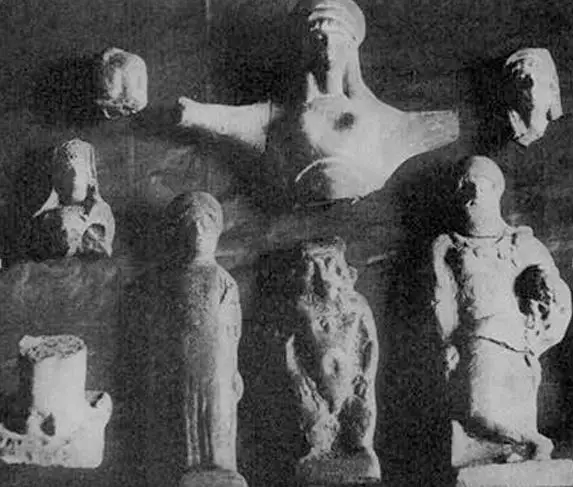
The first millennium BCE corresponds
to the Phoenician period, during which a white limestone-floored dwelling was
uncovered, dating back to around 600 BCE. Artifacts and possessions pointing to
the Roman era were also unearthed.
Until now, no clear traces of this
period had been confirmed in Sidon. Among the discoveries were a well and
pottery pieces that mark the foundation of Roman presence.
In the Martyrs’ Square located in
the Al Dekerman neighborhood of Sidon, significant archaeological remnants from
both the Roman and Hellenistic periods have been unearthed. These antiquities
span an area exceeding two thousand square meters, encompassing a paved roadway
laid with white stones. Lining its edges are sarcophagi—some hewn from
limestone, others sculpted from gleaming white marble. Scattered across the
site are also flattened stone columns, and several familial tombs whose inner
walls are graced with ancient mural paintings.
Le premier
millénaire avant notre ère correspond à la période phénicienne, durant laquelle
une habitation au sol en calcaire blanc a été mise au jour, datant d’environ
600 avant J.-C. Des objets et possessions témoignant de l’époque romaine ont
également été exhumés.
Jusqu’à
présent, aucune trace claire de cette période n’avait été confirmée à Sidon.
Parmi les découvertes figuraient un puits et des tessons de poterie qui
attestent de la présence romaine.
Dans la place
des Martyrs, située dans le quartier d’Al Dekerman à Sidon, des vestiges
archéologiques importants des périodes romaine et hellénistique ont été mis au
jour. Ces antiquités couvrent une superficie dépassant deux mille mètres
carrés, comprenant une voie pavée de pierres blanches. En bordure se trouvent
des sarcophages — certains taillés dans le calcaire, d’autres sculptés dans un
marbre blanc éclatant. Éparpillés sur le site, on découvre également des
colonnes en pierre aplaties, ainsi que plusieurs tombes familiales dont les
murs intérieurs sont ornés de fresques anciennes.
حقبة الألف قبل الميلاد تعود للعهد الفينيقي اكتشف فيها سكن أرضيته
كلسية بيضاء امتدت حتى عام 600 قبل الميلاد، كما ظهرت أدوات ومقتنيات تدل على
العهد الروماني، ملامح هذا العهد كانت مفقودة في صيدا حيث عثر على بئر وفخاريات
تؤسس للعهد الروماني.
في ساحة الشهداء في حي
الدكرمان في صيدا عُثركذلك على آثار من الحقبة الرومانية والهلنستية ، وهي آثارعلى
مساحة تفوق الألفي متر، إضافة إلى طريق معبدة بالحجارة البيضاء ، مصفوفة على
أطرافها النواويس المنحوتة من الحجر الكلسي، وأُخرى من الرخام الأبيض مزخرفة
الجوانب ، إضافة إلى أعمدة مسطحة على الأرض ، وبعض المقابر العائلية تغطي الرسوم
جدرانها.