
1. Phoenician Period (c. 1200 – 539 BCE)
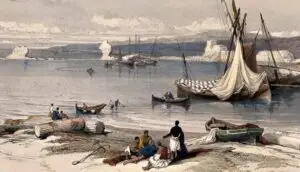
- Maritime Trade Empire : Tyre was a powerful seafaring city-state that established trading colonies across the Mediterranean, including Carthage , Cyprus , and even Spain .
- Exports: Purple dye (Tyrian purple): Extracted from the Murex sea snail, this dye was extremely valuable and became a royal symbol.
- Glassware : Tyre was a pioneer in early glass production and blowing , exporting widely.
- Cedar wood: Sourced from nearby mountains, it was shipped to Egypt and Mesopotamia.
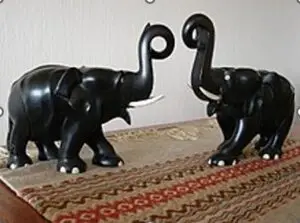
- Jewellery and ivory: Fine craftwork, especially in gold and ivory, was highly sought after.
- Imports: Silver from Spain, tin from Britain, spices from Arabia, and luxury goods from Egypt and Persia.
2. Persian and Hellenistic Periods (539 – 64 BCE)
- Continued Trade Dominance: Tyre adapted to new empires (Persian, then Hellenistic under Alexander) while retaining its importance in maritime trade.
- Expansion of Craft Industries : Pottery, mosaics, and textile production thrived. Hellenistic influence brought new artistic styles and technologies.
- Minting Coins: Tyre minted its own silver coins, which became widely accepted across the Near East.
3. Roman Period (64 BCE – 7th century CE)
- Major Port under Rome : Tyre became part of the Roman Empire and was considered a "free city" —a sign of its status.
- Luxury Crafts : Continued production of purple dye (still rare and expensive).
- Growth in glass-making workshops , becoming even more refined.
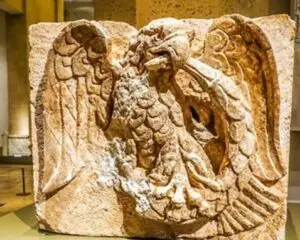
- Stone carving, sculpture, and textiles were also exported.
- Harbours: Tyre had two famous harbours —the Sidonian and Egyptian —making it a key logistics hub in the empire.
4. Byzantine to Islamic Period (7th – 12th centuries)
- Trade slowed slightly due to political changes, but Tyre remained a craft centre, especially for: Glass, Metalwork, Textile dyeing.
- Under Islamic rule, Tyre regained some maritime trade importance.
Tyr (Ṣūr), ancienne cité phénicienne située sur la côte sud du Liban, fut l'un des plus importants centres commerciaux et artisanaux de la Méditerranée pendant plus de mille ans. Voici un aperçu à long terme de son commerce et de son artisanat :
1. Période phénicienne (vers 1200 – 539 av. J.-C.)
- Empire commercial maritime : Tyr était une puissante cité-État maritime qui établit des colonies commerciales à travers la Méditerranée, notamment à Carthage, à Chypre et même en Espagne.
- Exportations : Teinture pourpre (pourpre de Tyr) : Extraite du murex, cette teinture était extrêmement précieuse et devint un symbole royal.
- Verrerie : Tyr fut pionnière dans la production et le soufflage du verre, exportant largement.
- Bois de cèdre : Provenant des montagnes voisines, il était expédié vers l'Égypte et la Mésopotamie.
- Bijoux et ivoire : L'artisanat d'art, notamment en or et en ivoire, était très recherché. - Importations : Argent d’Espagne, étain de Grande-Bretagne, épices d’Arabie et produits de luxe d’Égypte et de Perse.
2. Périodes perse et hellénistique (539 – 64 av. J.-C.)
- Domination commerciale continue : Tyr s’adapte aux nouveaux empires (perse, puis hellénistique sous Alexandre) tout en conservant son importance dans le commerce maritime.
- Expansion de l’artisanat : La poterie, la mosaïque et la production textile prospèrent. L’influence hellénistique apporte de nouveaux styles artistiques et de nouvelles technologies.
- Frappe de monnaie : Tyr frappe ses propres pièces d’argent, qui deviennent largement acceptées dans tout le Proche-Orient.
3. Période romaine (64 av. J.-C. – VIIe siècle apr. J.-C.)
- Port important sous Rome : Tyr est intégrée à l’Empire romain et est considérée comme une « ville libre », signe de son statut.
- Artisanat de luxe : Production continue de teinture pourpre (encore rare et chère).
- Développement des ateliers de verrerie, qui deviennent encore plus raffinés.
- La sculpture sur pierre et les textiles sont également exportés.
- Ports : Tyr possédait deux ports célèbres, le port de Sidon et le port d'Égypte, ce qui en faisait un centre logistique clé de l'empire.
4. Période byzantine à islamique (VIIe - XIIe siècles)
- Le commerce a légèrement ralenti en raison des changements politiques, mais Tyr est restée un centre artisanal, notamment pour le verre, le travail des métaux et la teinture des textiles.
- Sous la domination islamique, Tyr a retrouvé une certaine importance dans le commerce maritime.
- إمبراطورية التجارة البحرية: كانت صور مدينة-دولة بحرية قوية أسست مستعمرات تجارية عبر البحر الأبيض المتوسط، بما في ذلك قرطاج وقبرص وحتى إسبانيا.
- الصادرات: الصبغة الأرجوانية (أرجواني صور): تُستخرج من حلزون البحر "الموريكس"، وكانت هذه الصبغة قيّمة للغاية وأصبحت رمزًا ملكيًا.
- الأواني الزجاجية: كانت صور رائدة في إنتاج الزجاج ونفخه في بداياته، وصدرته على نطاق واسع.
- خشب الأرز: يُستخرج من الجبال المجاورة، ويُشحن إلى مصر وبلاد ما بين النهرين.
- المجوهرات والعاج: كانت الحرف اليدوية الفاخرة، وخاصةً من الذهب والعاج، مطلوبة بشدة.
- الواردات: الفضة من إسبانيا، والقصدير من بريطانيا، والتوابل من شبه الجزيرة العربية، والسلع الفاخرة من مصر وبلاد فارس.
2. العصران الفارسي والهلنستي (539 - 64 قبل الميلاد)
- استمرار الهيمنة التجارية: تكيفت صور مع الإمبراطوريات الجديدة (الفارسية، ثم الهلنستية في عهد الإسكندر) مع الحفاظ على أهميتها في التجارة البحرية. - توسع الصناعات الحرفية: ازدهرت صناعة الفخار والفسيفساء والمنسوجات. وجلب التأثير الهلنستي أساليب وتقنيات فنية جديدة.
- سك العملات: سكّت صور عملاتها الفضية الخاصة، والتي لاقت قبولاً واسعاً في جميع أنحاء الشرق الأدنى.
3. العصر الروماني (64 قبل الميلاد - القرن السابع الميلادي)
- ميناء رئيسي في عهد روما: أصبحت صور جزءاً من الإمبراطورية الرومانية، واعتُبرت "مدينة حرة" - دليلاً على مكانتها.
- الحرف الفاخرة: استمر إنتاج الصبغة الأرجوانية (التي كانت لا تزال نادرة وباهظة الثمن).
- نمو ورش صناعة الزجاج، التي أصبحت أكثر دقة.
- كما تم تصدير نحت الحجر والمنحوتات والمنسوجات.
- الموانئ: كان لصور ميناءان شهيران- الصيدوني والمصري - مما جعلها مركزًا لوجستيًا رئيسيًا في الإمبراطورية.
4. من العصر البيزنطي إلى العصر الإسلامي (القرنين السابع والثاني عشر):
- تباطأت التجارة قليلًا بسبب التغيرات السياسية، لكن صور ظلت مركزًا للحرف اليدوية، وخاصةً في: الزجاج، والأعمال المعدنية، وصباغة المنسوجات. - في ظل الحكم الإسلامي، استعادت صور بعض أهميتها في التجارة البحرية.